Floor Tiles Design in Dubai: Choosing Material, Size, Finish and Layout Room by Room
Dubai Repair Pro is a Dubai LLC with its own team of tile installers. This page is a guide to choosing floor tiles for a home in Dubai: which material suits which room, what the wear and slip ratings on the box mean, how size, finish and colour change the way a room looks, and which layout mistakes are expensive to fix once the floor is laid.
Last updated: 14 October 2026
On this page
- Floor tiles: the materials you will see
- Wear, slip and water ratings in plain words
- Sizes: what tile size does to a room
- Finishes: polished, matt, satin and textured
- Tiles colour and white tiles for the floor
- Layout and pattern
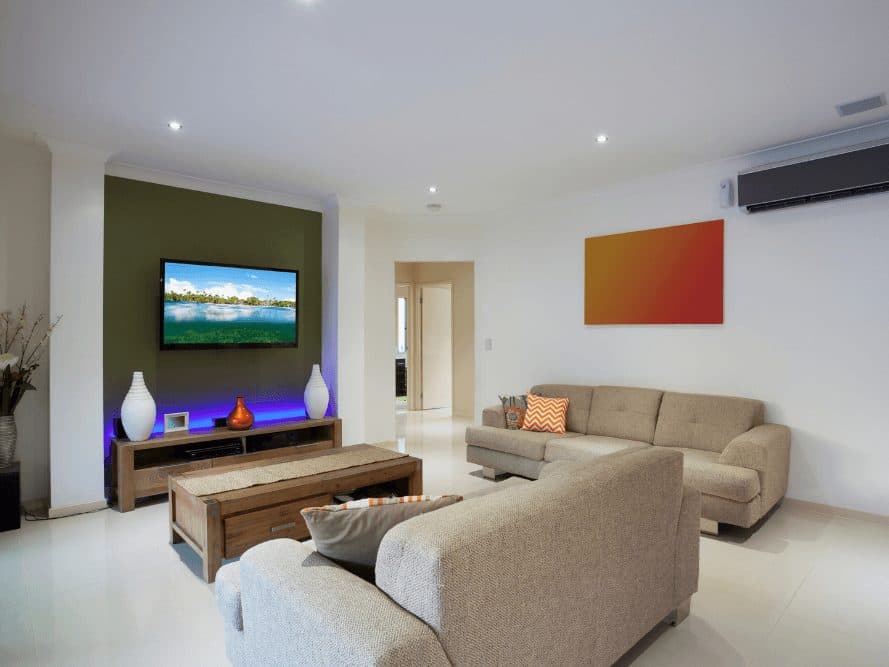
- Living room floor tiles
- Tiles for a bedroom and other rooms
- Grout, joints and transitions
- Does tile keep a home cool?
- Home tiles design mistakes and how to avoid them
- Budget: thinking about cost without a price list
- From choice to installation
- Frequently asked questions about floor tiles in Dubai
People who search for tile flooring, tiles flooring or tile floor ideas usually ask the same four questions: which material, which size, which finish and which colour. Good tile design starts with the room and its use, not the catalogue. Most floor tiles design problems are choice problems, not installation problems. A polished tile in a bathroom, a dark tile in a dusty entrance, a large tile on an uneven slab, a pattern that fights the furniture: each one is easy to avoid before you buy and hard to live with afterwards. We cover the choices first, then how a floor is fitted, and then the cost. Prices for fitting are in the tile price guide.
The table below is the short version. The rest of the page explains the reasons.
| Room | A sensible default | Watch for |
|---|---|---|
| Living room | Porcelain, 60×60 cm or larger, matt or satin | Glare from polished tiles in strong sun |
| Kitchen | Porcelain, matt, with a grip rating | Grease and dark grout |
| Bedroom | Porcelain or warm-toned ceramic floor tile, matt | Cold feel underfoot, noise of footsteps |
| Bathroom floor | Small-format or textured porcelain with a wet-area grip rating | Slippery finishes |
| Entrance and corridor | Hard-wearing porcelain with good grip | Sand and dust, scuffs, dark colours showing dust |
| Balcony and terrace | Outdoor-rated porcelain or stone | Heat, slip when wet, drainage falls |
| Majlis and formal rooms | Polished porcelain, marble or marble-effect | Polish shows marks and slips when wet |
To start a floor, send photos and the room sizes on WhatsApp at +971 55 209 9785. A site inspection costs AED 100.
Floor tiles: the materials you will see
Flooring tiles in Dubai fall into a handful of families. The names on a tile shop's wall can sound different, but nearly every tile you will be shown belongs to one of these.
Porcelain
Porcelain is a dense tile fired at high temperature. Its water absorption is very low, usually 0.5% or less by the usual industry classification, which makes it the standard choice for floors, wet areas and balconies. It comes in matt, satin, polished, textured and outdoor versions, and in looks that imitate stone, marble, wood and concrete.
Porcelain tiles are strong and hold their colour. They are also hard to cut, and large sheets are heavy, so the installer matters. The difference between porcelain and ceramic is covered in our guide to porcelain and ceramic tiles.
Ceramic
Ceramic tiles are softer and more porous than porcelain, and most are glazed on the face. Ceramic floor tiles suit light-traffic rooms such as bedrooms. Ceramic wall tiles are common in bathrooms and kitchens. For a hallway, an entrance or a family living room, porcelain is the safer floor.
Natural stone
Natural stone, such as marble, travertine, limestone and granite, is cut from rock, and no two tiles match exactly. It needs sealing and has its own care routine. Our marble flooring guide covers it in full. Stone floor tiles suit formal rooms and people who like the variation.
Marble-effect porcelain
A porcelain tile printed to look like marble gives the look of veining and the strength of porcelain, with no sealing. It is the practical choice for a busy home that wants the look of marble.
Cement-look and concrete-look
These porcelain tiles imitate poured concrete or cement. They suit modern and industrial interiors, and they hide dust and marks well in mid-grey tones.
Terrazzo-look and patterned tiles
Terrazzo-look tiles carry chips of colour in a base tone. Patterned tiles, sometimes called pattern tiles, repeat a printed design in colour. Both work best when used on a limited area, such as an entrance, a kitchen or a bathroom, since a busy pattern across a whole home can feel heavy.
Wear, slip and water ratings in plain words
The box of a good tile carries ratings. Most buyers ignore them and look at the picture. These are the ones worth reading.
PEI rating: how well the surface resists wear
The PEI scale measures how well a glazed tile resists surface abrasion. It runs from 0 to 5.
| PEI class | Traffic level | Typical use |
|---|---|---|
| 0 | None | Not for floors |
| 1 | Light | Bedrooms and rooms with soft footwear |
| 2 | Moderate | Bedrooms, bathrooms, low-traffic rooms |
| 3 | Regular | Kitchens, hallways, living rooms |
| 4 | Intense | Entrances and light commercial areas |
| 5 | Heavy | Busy public spaces |
For a home, PEI 3 is the working minimum for living areas and PEI 4 suits entrances and corridors, where sand and shoes do the most damage. A higher class can always be used in a lower-rated room. The scale applies to glazed tiles, and not every tile carries a PEI rating, particularly full-body porcelain, which has colour through its thickness.
Slip resistance: R-values and wet friction
Slip resistance is a separate property from wear. A tile can be very hard-wearing and still slippery when wet. Two systems appear on tile packaging and data sheets.
- R-values (R9 to R13). Under the German test, R9 is the lowest and R13 the highest grip. A tile with R9 is suited to dry indoor floors. Wet areas and outdoor floors call for a higher rating.
- Barefoot ratings (A, B, C). For places where people walk barefoot, such as shower floors and pool edges, a barefoot class from A to C is used. C is the grippiest.
- Wet friction coefficient. Some manufacturers publish a coefficient from a wet test. A value of 0.42 is widely used as the minimum for a level interior floor that may get wet.
These are published standards, and the exact class depends on the tile and the test. Ask the shop for the data sheet of the tile and check the slip rating next to the room you will use it in. A polished tile that suits a dry majlis is the wrong tile for a wet bathroom.
Water absorption
Water absorption tells you how much water a tile takes up. Porcelain is 0.5% or less. Ceramic is higher. A low number matters on a balcony, a terrace or any floor exposed to moisture, and in a bathroom where water sits on the surface.
Frost resistance does not apply here
Many tile data sheets mention frost resistance, which matters in cold countries. In Dubai it is not a concern, so do not pay extra for it. Heat, sun and slip are the concerns.
Where to find the ratings
The ratings are on the box, the sample card or the supplier's data sheet. If a shop cannot tell you the slip rating of a tile for a bathroom or a balcony, choose a tile whose rating they can show.
Sizes: what tile size does to a room
Tile size changes how a floor looks, how many joints it has and how much work the installer must do to lay it flat.
| Size | What it does | Best for | Cost in labour and waste |
|---|---|---|---|
| Small (10×10 to 30×30 cm) | Many joints, good grip, follows slopes | Bathroom floors, shower floors, balconies with falls | Slow to lay |
| 45×45 to 60×60 cm | The common size for homes | Most rooms | Standard |
| 60×120 and 80×80 cm | Fewer joints, a calmer floor | Living rooms, open plans | More levelling care, a little more waste |
| 120×120 cm and larger slabs | Very few joints, a continuous look | Large living areas | Heavy, needs careful handling and a very flat base |
| Planks (20×120, 30×150 cm) | Wood-look floors | Bedrooms, living rooms | Needs a sensible layout to avoid repeats |
Why large tiles need a flat floor
Large tiles do not follow a floor that is not flat. A small tile steps up and down gently with a slight unevenness in the slab. A large tile bridges the unevenness, and the difference shows as one edge higher than its neighbour, called lippage. The cure is to level the floor before tiling, and to use a levelling system as the tiles are laid. This is the main reason a large-format floor costs more to lay than a small-format one, even when the tiles themselves cost the same. See our tile fixing guide for how we level a floor.
Size and room size
A larger tile in a small room does not make the room look bigger by itself, but fewer joints make a floor look calmer and a small bathroom less busy. A very large tile in a small room can look awkward at the edges, where it is cut to a thin strip. A good installer plans the layout so the cuts at the edges are at least half a tile wide.
Size and cost
Larger tiles are not always more expensive per square metre, but they raise the cost of installation, since they need more care and more waste is expected. Our guide to how much tile to buy shows how to add wastage. Order a few extra tiles from the same batch for repairs.
Finishes: polished, matt, satin and textured
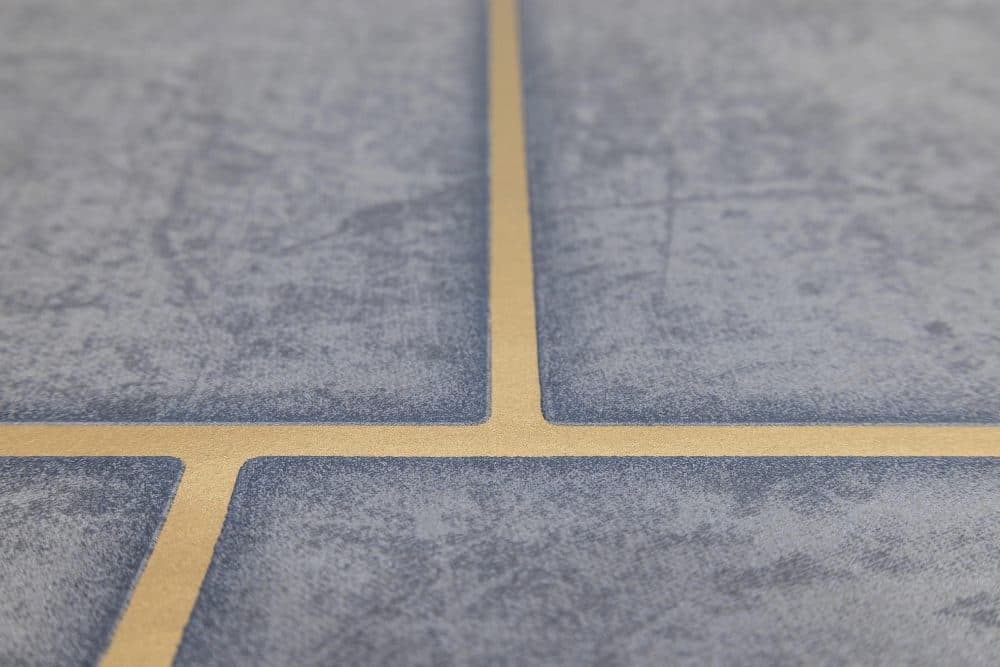
The surface finish is the second most important choice after material, because it decides how the floor looks in light and how it feels under foot.
| Finish | Look | Grip when wet | Shows marks | Best for |
|---|---|---|---|---|
| Polished | Mirror-like, reflects light | Low | Shows footprints and scratches | Dry formal rooms, majlis |
| Satin or semi-polished | Soft sheen | Moderate | Moderate | Living rooms, corridors |
| Matt | No shine | Good | Hides marks well | Most floors, kitchens, entrances |
| Textured or structured | Surface has relief | High | Hides marks well, collects dirt in the texture | Bathrooms, balconies, outdoor floors |
| Lappato | Part polished, part matt | Moderate | Moderate | Living areas with a luxury look |
Polished tiles and light
Dubai has strong light through the day. A polished tile reflects it, and in a room with a large window or a glass door the glare can be uncomfortable and make footprints show. If a room faces the sun, a satin or matt finish looks calmer. Polished tiles also become slippery when wet, so they are poorly suited to entrances where people come in from outside.
Glossy and glazed tiles
A glazed tile has a glass-like coating on its surface. Glossy glazed tiles look bright but scratch more visibly on a floor. Glazing is normal for wall tiles and many floor tiles, and is not a fault.
Textured finishes
Textured tiles grip better but are harder to clean, because dust and grease settle in the relief. In a kitchen, a light texture strikes the balance. In a shower or on a balcony, a stronger texture is worth the extra cleaning.
Tiles colour and white tiles for the floor
The colour of the floor sets the mood of a room and also determines how often you notice dust and marks.
Light floors
Light floors reflect light, make rooms feel more open and keep surfaces cooler to look at. They show dark marks, such as coffee, footprints from outside and pet hair. In a Dubai home, dust and sand arrive on every shoe and every breeze, and a plain white floor shows the lot.
White tiles for floor use suit people who clean often and want a bright look. A white tile with a slight veining or a faint speckle hides dust far better than a flat white one. A warm white or off-white also looks calmer under LED light than a cold, blue-white.
Mid-tones
Tiles color is easier to judge in the mid-tones, because they change least between daylight and evening light.
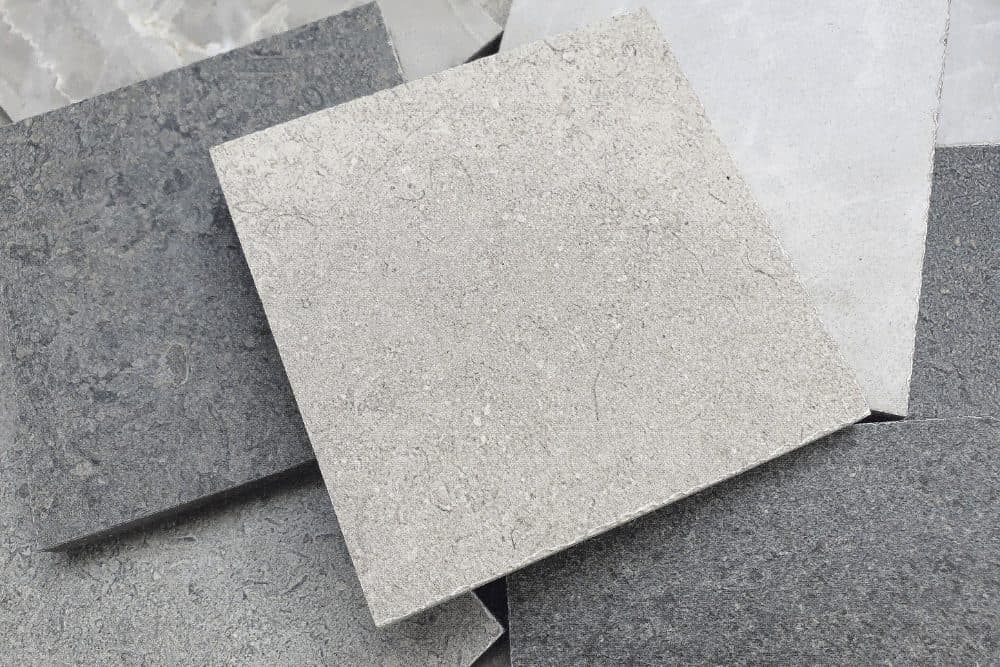
Greys, beiges, taupes and sand colours are the practical middle. They hide dust and wear, suit most furniture and walls, and are forgiving under both daylight and evening light. If you are unsure, a mid-tone with a little variation is the safest choice.
Dark floors
Dark floors look rich and show dust, lint and water marks sharply. In a hot, dusty climate, a dark glossy floor needs wiping daily. A dark matt tile is easier to live with. Dark floors also make a small room feel smaller and a dim room feel darker.
Colour and light
The same tile looks different in different light. A tile that looks neutral in a shop with white light can look yellow under warm LEDs and grey on a north-facing floor. Take a sample home. Lay it on the floor in the room you plan to tile, and look at it in the morning, at noon and in the evening with the lights on. We cover the same approach for paint on our interior painting page.
Matching walls, doors and furniture
Choose the floor first, since it is the hardest thing to change. A tile floor sets the colour of everything above it. Then match paint, doors and furniture to it. A floor with a strong undertone, such as a pink-beige or a green-grey, will make some wall colours look wrong, and a sample of the wall colour next to the tile shows the problem straight away.
Grout colour
Grout is part of the colour. A grout that matches the tile makes the floor look continuous. A grout in a contrasting colour draws a grid across the floor. In most homes, a grout one shade darker than the tile hides dirt and stays neutral.
Layout and pattern
How the tiles are laid is part of the design, and it costs nothing to choose if you decide before the work starts.
| Layout | How it looks | Waste | Notes |
|---|---|---|---|
| Straight (grid) | Clean and simple | Lowest | The default for most homes |
| Offset or brick bond | Staggered joints, hides small differences between tiles | Low to moderate | Keep the offset to a third or a half on long tiles to avoid warping lines |
| Diagonal | Lengthens the room, hides out-of-square walls | Higher | More cuts at the edges |
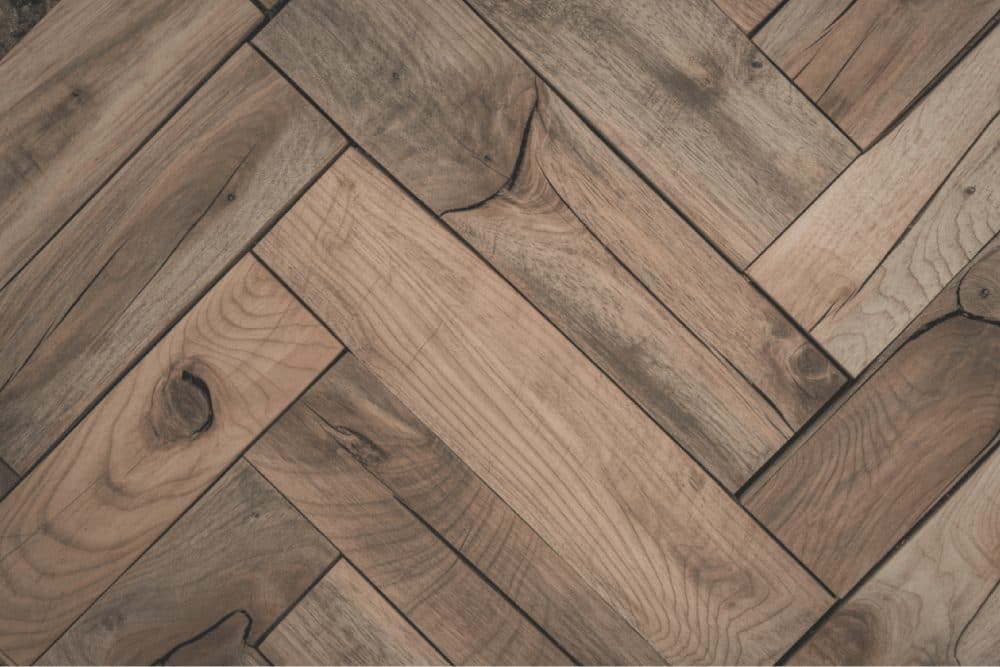
| Herringbone and chevron | A formal, patterned look | Highest | Slow to lay, quoted after inspection |
| Mixed sizes | A modular pattern | Moderate | Needs a plan drawn before starting |
Pattern tiles
Pattern tiles carry a printed design. On a floor, use them where the eye rests briefly: an entrance, a kitchen floor, a small bathroom. A busy pattern across a whole open-plan living room tends to dominate the furniture and date quickly. If you love a pattern, use it as an area rug in tile form, with a plain tile around it.
Direction
Lay the tiles to run along the longest view into the room, usually from the main door or the window wall. Plank-style tiles look best running along the length of the room, and they look wrong if the joints line up across a long run.
Starting point
Installers choose the start line so the cuts at both walls are equal, and so a full tile sits where the eye lands first, such as the doorway. A floor started in the corner can finish with a thin sliver at the visible side. Ask where the layout will start, and ask to see it dry-laid before the adhesive goes on.
Living room floor tiles
Living room tiles are seen more than any other floor in the home. It gets visitors, furniture and the largest area of tile in the home, so mistakes here are the most visible.
What to choose
A porcelain tile in 60×60 cm or larger, in a matt or satin finish and a mid-to-light tone, suits most living rooms. It gives a calm floor with few joints and holds up to traffic. Tiles for living room floors that look like stone or marble are popular, and the marble-effect porcelains need no sealing.
Open plans
If the living room runs into a dining area and a kitchen, use one tile throughout to avoid awkward joins. If the rooms must differ, separate them at a doorway, and avoid changing the tile in the middle of an open space.
Furniture and rugs
A large rug on a tiled floor adds warmth and cuts the echo that hard floors create. Furniture legs need felt pads on any tile, since a chair dragged across a floor leaves marks even on porcelain.
Sun and glare
If the room has floor-to-ceiling glass, a polished tile will throw reflections around the room. A satin or matt finish handles the sun better and shows fewer marks.
Skirting
A tiled skirting, cut from the same tile, makes a neat, wipeable edge, and a painted skirting gives a softer line. See our guide to skirting tiles for the choice.
Tiles for a bedroom and other rooms
Rooms differ in what they ask of a floor. Here is how the choice changes room by room.
Bedrooms
Bedrooms see less traffic, so a ceramic floor tile or a lighter-wear porcelain is enough. Tiles for bedroom floors feel cold in the morning, so a warm tone and a rug beside the bed matter. A wood-look plank tile gives the warmth of timber with the strength of porcelain.
Kitchens
A kitchen floor must stand up to spills, oil, dropped pans and constant wiping. Choose porcelain with a grip rating. A matt or lightly textured finish is the best balance. Grout in a mid-tone hides splashes. Our kitchen tile guide covers kitchens in more detail.
Bathrooms
Bathrooms need grip first. Choose a rated tile for wet areas, with a small-format or textured tile on the shower floor, where the surface falls to the drain. See our bathroom tile guide.
Entrances and corridors
These floors take the most wear, sand and wet shoes. Choose a high PEI class, a matt tile with a grip rating, and a mid-tone that hides dust.
Balconies and terraces
Balconies are outdoor floors. They need outdoor-rated porcelain or stone with a higher slip rating, a surface that does not burn bare feet in summer, and the right falls to drain water. Light colours stay cooler to the touch than dark ones.
Maid's rooms, storage and utility rooms
These rooms take function over looks. A tough, cleanable ceramic or porcelain with a decent grip is enough.
Grout, joints and transitions
The joints take up a small part of the floor but affect the look and the life of the tiled surface.
Joint width
Narrow joints give a cleaner look but need a flat floor and tiles with accurate edges, called rectified tiles. A joint of 2 to 3 mm is common for rectified porcelain. Wider joints suit rustic and handmade tiles and tiles that are not perfectly square. Your installer will set the joint to the tile maker's guidance.
Grout type
Cement grout is common and needs sealing in wet or heavily used areas. Epoxy grout is harder, stain-resistant and used in wet rooms, kitchens and where a long life matters. It sets quickly and is harder to work with, so it costs more to install.
Movement joints
A large floor needs movement joints, which allow the floor to expand and contract with temperature. In a big open-plan area, in a doorway between rooms and where the tile meets a wall, the installer leaves a flexible joint. Leaving them out is a common cause of cracked tiles in large floors. See why tiles fail for the causes.
Transitions
Where the tile meets another floor, such as timber, carpet or another tile, you need a clean edge. A threshold strip, a flush joint or a change at the door line keeps the edge neat and protects the tile. If two floors meet at different heights, the installer adjusts the build-up so the step is as small as possible.
Skirting and wall edges
Tile meets the wall at a skirting, a shadow gap or a sealed joint. The finish should be chosen with the floor, not left to the end.
Does tile keep a home cool?
Tile is often said to keep a house cool. The claim is common and rarely backed with figures.
What the evidence supports is narrower:
- Tile feels cool underfoot. Stone and porcelain conduct heat away from your foot faster than timber or carpet, so they feel cooler to the touch. That is a comfort effect.
- Tile does not lower the room temperature by itself. The air in an air-conditioned home is cooled by the AC. The floor material does not do that work.
- Colour changes how hot a surface gets in sun. A dark tile on a sunlit balcony gets hotter than a light one. This matters for bare feet outdoors.
Choose tile for durability, cleaning and looks, and do not count on it to cut your cooling bill.
Home tiles design mistakes and how to avoid them
These are tile choices that are easy to regret, with the cure for each.
| Mistake | What goes wrong | The fix |
|---|---|---|
| Polished tile in a bathroom or at the entrance | Slippery when wet | Choose a rated matt or textured tile |
| Choosing from a small sample under shop lights | Colour looks different at home | Take a sample home and view it at three times of day |
| A large tile on an uneven floor | Lippage, cracked tiles | Level the floor first and use a levelling system |
| A dark, glossy floor in a dusty home | Shows every mark | Choose matt and a mid-tone |
| Skipping the PEI and slip rating | Wears or slips | Read the data sheet |
| Ordering exactly the area | No spares for repairs | Add wastage and keep spare tiles from the same batch |
| Changing the tile in the middle of an open space | Looks like a mistake | Break at a door line or use one tile throughout |
| A busy pattern across the whole home | Dominates and dates | Use pattern on a small area |
| Grout in a strong contrast | Draws a grid on the floor | Pick a grout close to the tile |
| Leaving out movement joints | Cracked tiles | Plan them with the installer |
Check before you order
- Which rooms, and what is the area of each?
- What PEI class and slip rating does each room need?
- Which material and size, and does the floor need levelling?
- A sample at home, seen in daylight and evening light.
- The layout, with the starting line agreed.
- Wastage added and spares ordered from the same batch.
Budget: thinking about cost without a price list
The cost of a tiled floor has three parts: the tiles, the materials to fix them and the labour. Tile prices vary widely with the material, the size and where you buy. We do not quote tile prices on this page, since a price depends on the exact tile, the shop and the date, and we would rather you check them yourself.
What the labour depends on
- The tile size and weight, with large tiles taking more care.
- The layout, with diagonal and herringbone taking longer.
- The state of the floor, which may need levelling or removing old tiles.
- Access, such as a high floor with no lift, and building rules.
- The number of cuts, which rises in small, irregular rooms.
Our tile fixing guide explains how we quote. For a guide to reading tile prices in the UAE, see the tile prices guide.
Where to save, and where not to
Saving on the tile itself, within the same material and rating, is reasonable. Saving on preparation, adhesive or the grip rating is not, because those decide how long the floor lasts. A cheaper tile laid well outlasts an expensive tile laid badly.
From choice to installation
Once you have chosen, here is how the job runs with us.
- Share photos and the plan. Send room photos, sizes and the tiles you are considering on WhatsApp at +971 55 209 9785.
- Site inspection. We measure, check the floor level and moisture, and talk through the layout. It costs AED 100.
- Samples. Take or bring samples to the room and check the colour and size in your own light.
- Written quote. It lists the area, the tile, the preparation, the layout, the wastage and VAT.
- Delivery and checking. Check the tiles on arrival: the batch number, the size and any chips. Open several boxes and mix tiles from them as you lay.
- Preparation and fixing. We level, prime and fix the tiles, check them as they go, and leave the joints clean.
- Grouting, cleaning and handover. We grout, clean and walk through the floor with you.
We employ our own installers and do not subcontract the tiling. Our one-year workmanship warranty covers the work we carry out. Prices are before 5% VAT.
Underfloor systems
If you plan any underfloor system, tell us before you buy. The tile and the adhesive must be suitable for it, and the installer needs the maker's instructions.
Coverage
We tile floors across Dubai. Building rules in towers differ, and we handle permits and lift bookings as part of the booking.
Keep reading
Frequently asked questions about floor tiles in Dubai
Which floor tiles are best for a Dubai home?
For most rooms, porcelain in a matt or satin finish and a mid-to-light tone is the best all-round choice. It is hard-wearing, low in water absorption and easy to clean. Use rated tiles in wet areas and outdoor tiles on balconies.
What size floor tile should I choose?
60×60 cm is the common size for homes, and 60×120 or 80×80 cm give a calmer look with fewer joints. Large tiles need a flat floor and more care to lay. Small tiles suit shower floors and balconies with falls.
Are polished tiles a good idea?
They suit dry formal rooms such as a majlis, where the shine is a feature. They are slippery when wet and show footprints and scratches, so avoid them in bathrooms, kitchens and entrances.
What does PEI mean on a tile?
It is a wear rating from 0 to 5. For a home, PEI 3 suits living areas and PEI 4 suits entrances and corridors. Not every tile carries a PEI rating.
What slip rating do I need?
For wet bathrooms and outdoor floors, choose a rated tile and check the data sheet. R9 to R13 are the German slip classes, with higher numbers gripping more, and barefoot areas use classes A to C. Ask the shop for the rating of the exact tile.
Do white floor tiles show dirt?
A plain white floor shows dust and marks. A white tile with faint veining or speckle hides them better, and a warm off-white is easier to live with than a bright blue-white.
Does tile keep a home cool?
Tile feels cool underfoot, but it does not lower the room temperature. The air conditioning does that.
Can I tile over my existing floor?
Sometimes. The answer turns on the condition and height of the old tile, and we check both at the inspection. See our tile fixing guide.
How many extra tiles should I order?
Order extra for cuts and breakages, and keep a few boxes from the same batch for later repairs. The exact amount depends on the layout, with diagonals needing the most.
How long does it take to tile a floor?
A room takes a few days, including preparation and curing. Our tile fixing guide has typical durations and what changes them.
For the full path from room to finished floor, see our guide to tiles in the UAE.
Get a quote for tiling
Tell us what you need, or send photos on WhatsApp. A site inspection costs AED 100, and you get a written quote after the visit.
- +971 55 209 9785
- info@dubairepairpro.com